Rooftop gardens · Kitchen beds · Green roofs
Roof Nestly turns bare concrete roofs and terraces into productive, easy-to-manage gardens. We check the structure, plan the beds, install waterproof-safe growing systems and stay on to help you harvest — so you get fresh vegetables, cooler rooms below and a green space you will actually use every day.
01
Load, slope, drainage and sun mapped before a single bag of soil goes up.
02
Bed layout, crop plan and water lines drawn for your roof, not a template.
03
Lightweight beds, root barriers and drip lines installed by our own crew.
04
Seasonal planting and care visits so the garden keeps producing.
Why grow on the roof
A typical roof receives six to eight hours of direct sun, sits above the dust of the street and is rarely used for anything except water tanks and drying clothes. Put a well-planned garden there and it starts working for you — feeding the household, shading the structure and giving you a calm outdoor room that costs nothing to visit.
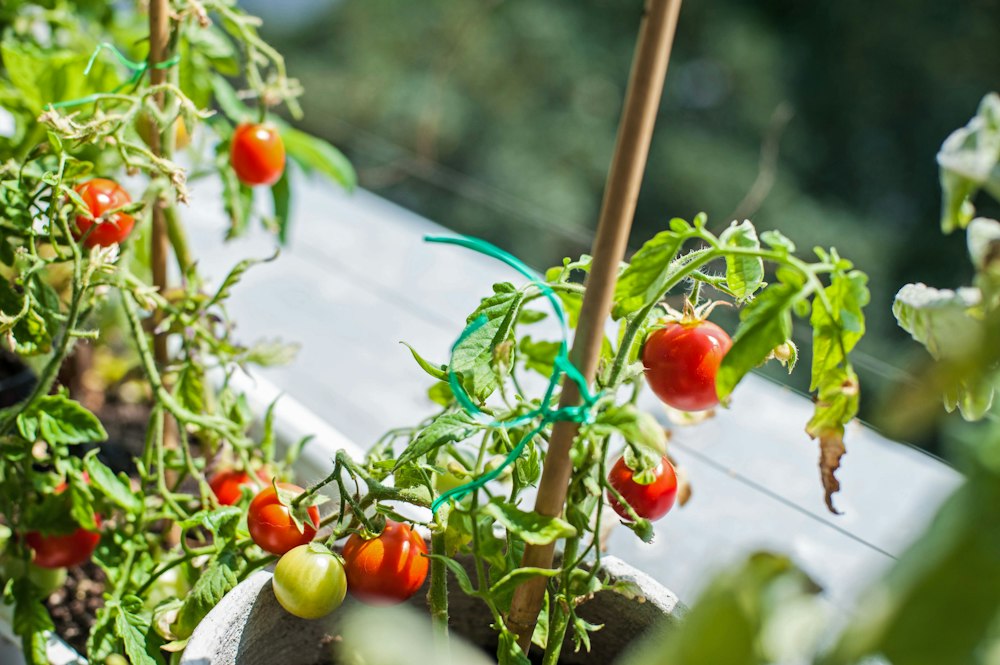
Leafy greens, herbs, tomatoes, chilies, gourds and beans grown a few steps from your kitchen, without guessing what was sprayed on them or how long they sat in transport.
Soil, plants and shade absorb sunlight that would otherwise bake the slab. Top-floor rooms under a planted roof feel noticeably calmer through the hottest afternoons.
A green roof gives the family somewhere to sit, potter and breathe. Children learn where food comes from, and evenings move outdoors.
What we do
Every project starts with the same survey, and every garden is planned around the roof it sits on. Choose one service or combine them into a single build.
01
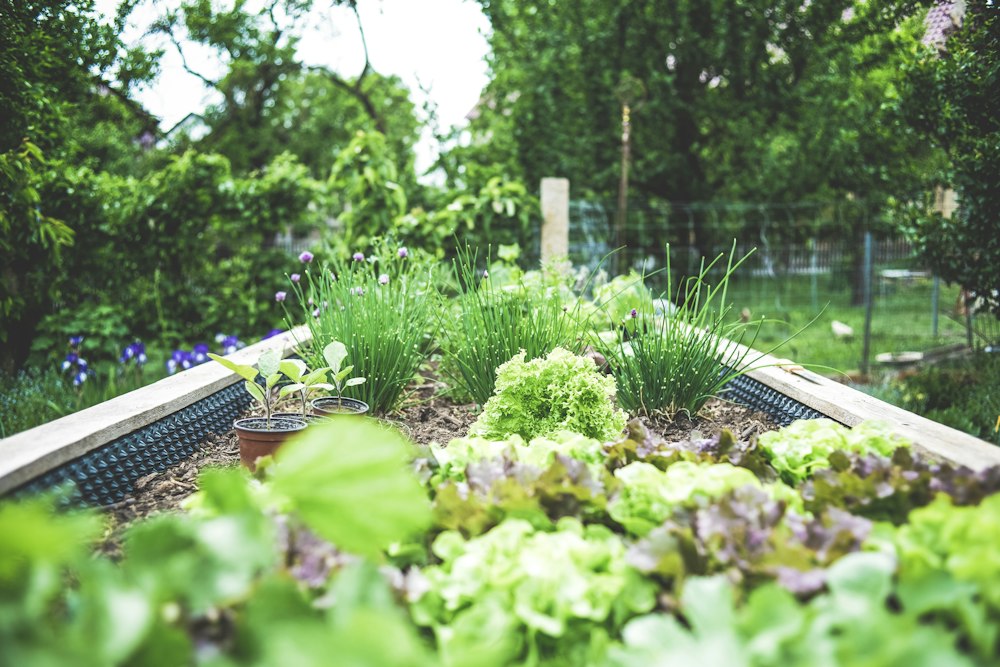
Raised beds, grow bags and container systems sized for your load limit and planted with crops that suit your sun hours. We include soil mix, mulch, supports and a first-season planting plan.
02
Extensive and semi-intensive planted roofs with root barrier, drainage board and filter fabric — built to shade the slab, slow storm water and cool the rooms below.
03
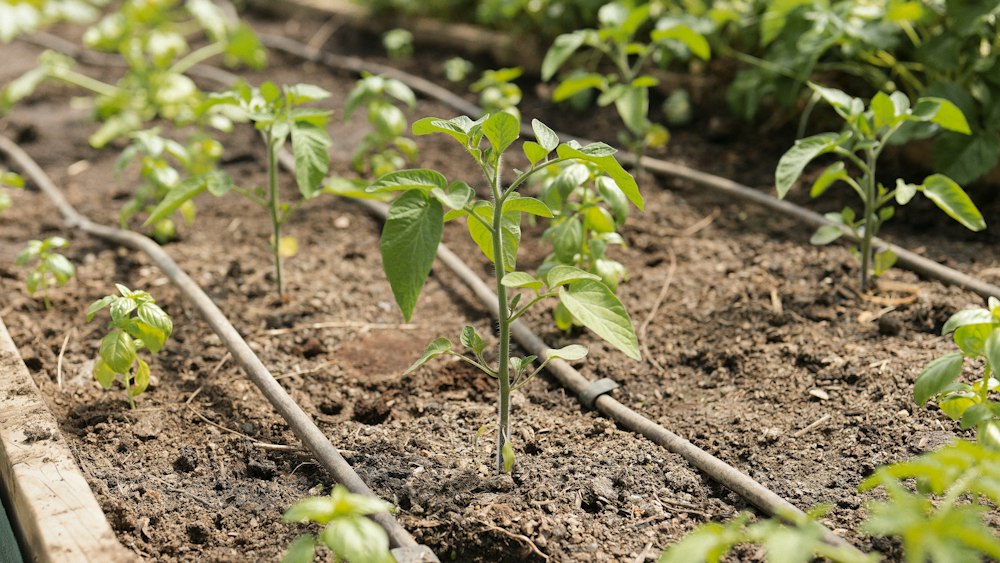
Timer-controlled drip lines, tank connections and overflow routes so the garden gets exactly the water it needs, even when you are away.
04
Compact layouts for narrow terraces and balconies: vertical planters, railing boxes and self-watering pots that fit the space you have.
05
Weekly, monthly or seasonal visits for pruning, feeding, pest checks, replanting and harvest help — so the garden never slips back into a chore.
What grows up there
A properly built roof bed holds 25–40 cm of light, free-draining soil mix — enough for a steady supply of everyday vegetables. We match crops to your sun, wind and the time you have, then stagger plantings so something is always ready to pick.
Most families start with greens and herbs, which are quick and forgiving, then add fruiting crops and climbers on trellises once they are comfortable with the routine.
How a project runs
No surprises and no guesswork. The order below never changes, because a garden is only as good as the roof underneath it.
Step 1
We inspect slab condition, parapets, waterproofing, drain outlets and access, and note where the sun falls through the day.
Step 2
You receive a simple drawing with bed positions, weights, crop list, water lines and a clear written quotation.
Step 3
Where needed we add a root barrier and protection mat so plants never touch the waterproofing directly.
Step 4
Beds, containers, trellises and drip lines are installed, filled and planted, usually within a few working days.
Step 5
We walk you through watering, feeding and harvesting, then return on the care plan you choose.
Roof cooling
Bare concrete absorbs heat all afternoon and releases it into the rooms below well into the night. A layer of growing medium and plants interrupts that cycle: leaves shade the surface, moisture evaporates and the soil acts as a thermal buffer.
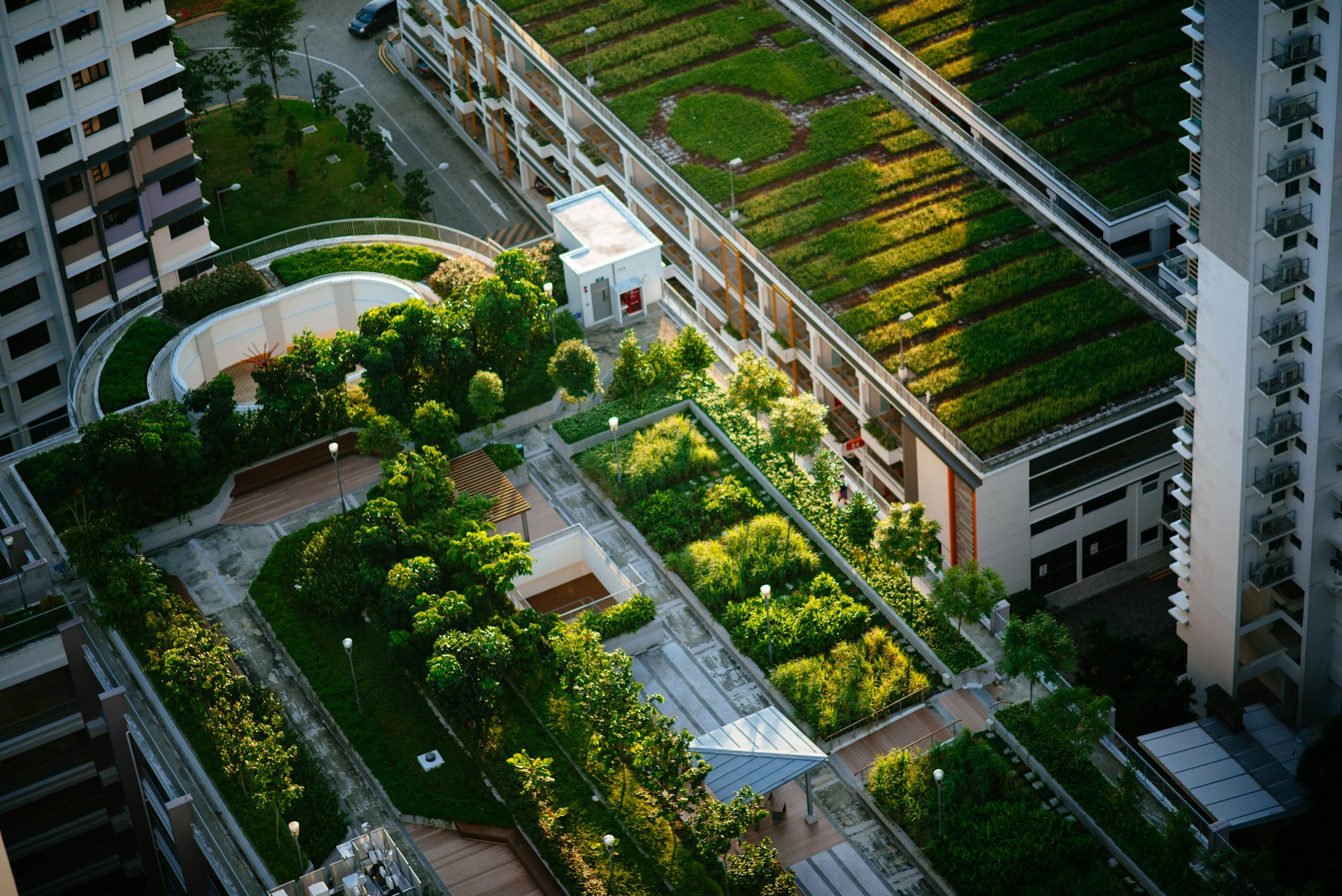
Our green roof systems are built in layers — protection, drainage, filter, growing medium and hardy plants — so they cool the building without trapping water against it.
A year on the roof
A simple guide we use when planning first crops. Your own plan is adjusted to your sun hours and how much time you want to spend in the garden.
Lettuce, spinach, coriander, cabbage, cauliflower, carrot, radish, tomato, peas.
The most generous growing window. Most new gardens are planted now.
Okra, eggplant, chili, cucumber, red amaranth, basil, bottle gourd on trellis.
Heat-loving crops go in; we add shade net where afternoon sun is harsh.
Kangkong, Malabar spinach, taro leaves, ginger, turmeric, lemongrass.
Drainage matters most now. We clear outlets and raise containers off the slab.
Beans, bitter gourd, papaya, tomato seedlings, herbs for the next cycle.
Soil is refreshed with compost and the cycle begins again.
The point of it all
That is the rhythm we design for. Short paths from bed to kitchen, crops staggered so harvests overlap, and a care routine that takes minutes, not hours.
Common questions
Short answers to what most people want to know first. There is a longer list on our FAQ page.
Most reinforced concrete roofs can carry a lightweight garden when the weight is planned. During the survey we look at the slab, columns and existing loads, and we keep saturated bed weights within safe limits. If there is any doubt we recommend a check by a structural engineer before we build.

Not when it is built correctly. We never place soil directly on the slab. Beds sit on stands or on a protection mat with drainage, and we use root barriers where plants grow in deep media.
With drip irrigation on a timer, most home gardens need 10–20 minutes a day for picking and checking, plus a longer session once a week. Care plans cover the heavier jobs.
Yes. Many of our layouts are designed for narrow terraces, rooftop corners and balconies using containers, railing planters and vertical systems.
Free roof survey
Tell us a little about your roof. We will arrange a visit, measure and photograph the space, and send you a layout and quotation you can think over without pressure.