The difference between a roof garden that thrives and one that is abandoned after a season usually comes down to three things: soil depth, water and planning. Shallow pots dry out by noon. Heavy garden soil compacts and waterlogs. Random planting leads to a glut one month and nothing the next.
We design vegetable gardens to avoid those traps. Beds are deep enough for roots, filled with a light, free-draining mix enriched with compost. Drip lines deliver water at the base of each plant. And a crop calendar spreads sowing and planting so harvests overlap through the year.
The result is a garden that feels manageable on a busy weekday and generous at the weekend.
What we plant
Crops that suit life on a roof
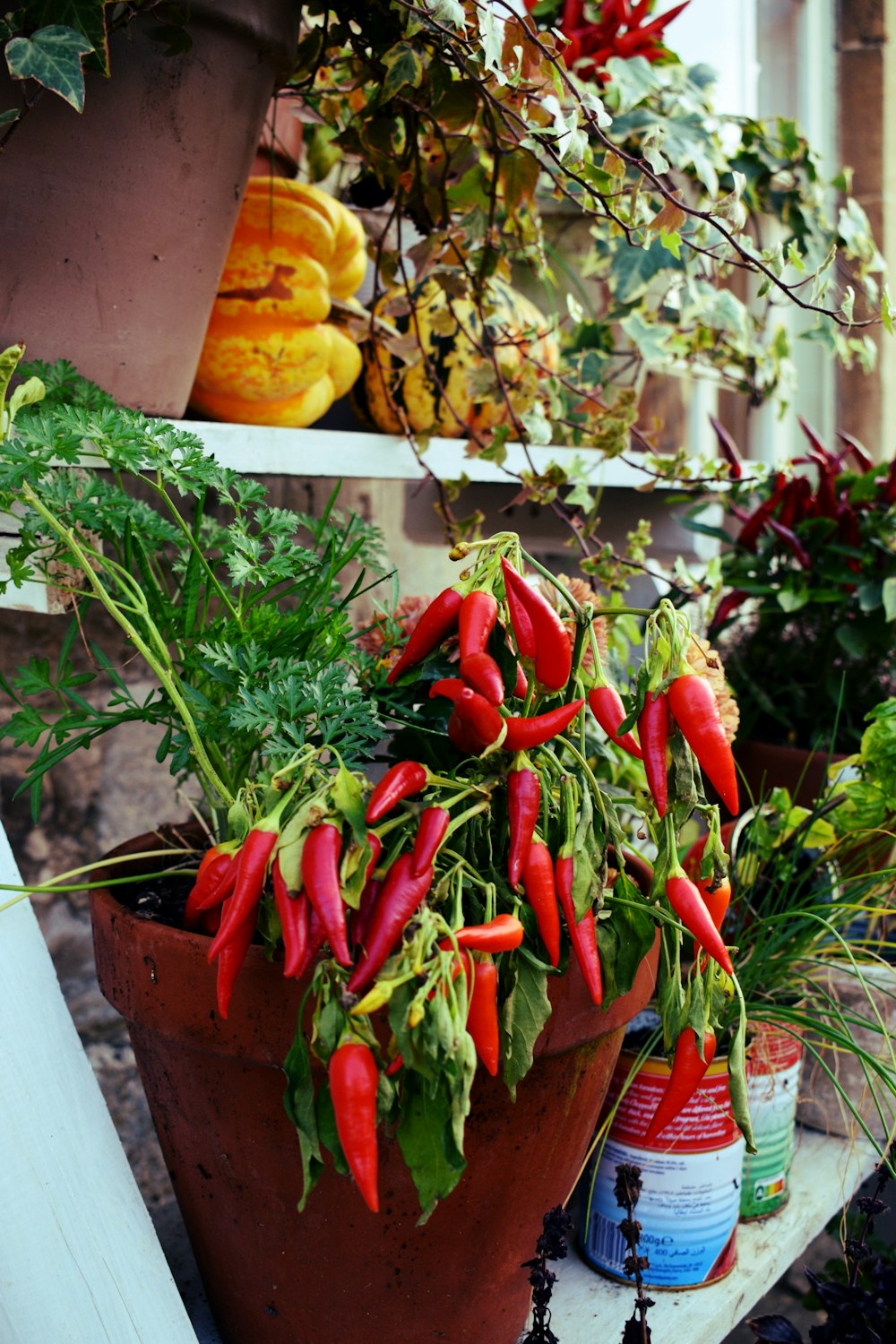
Chilies & peppers
Compact, productive and happy in full sun. Two or three plants keep most kitchens supplied.
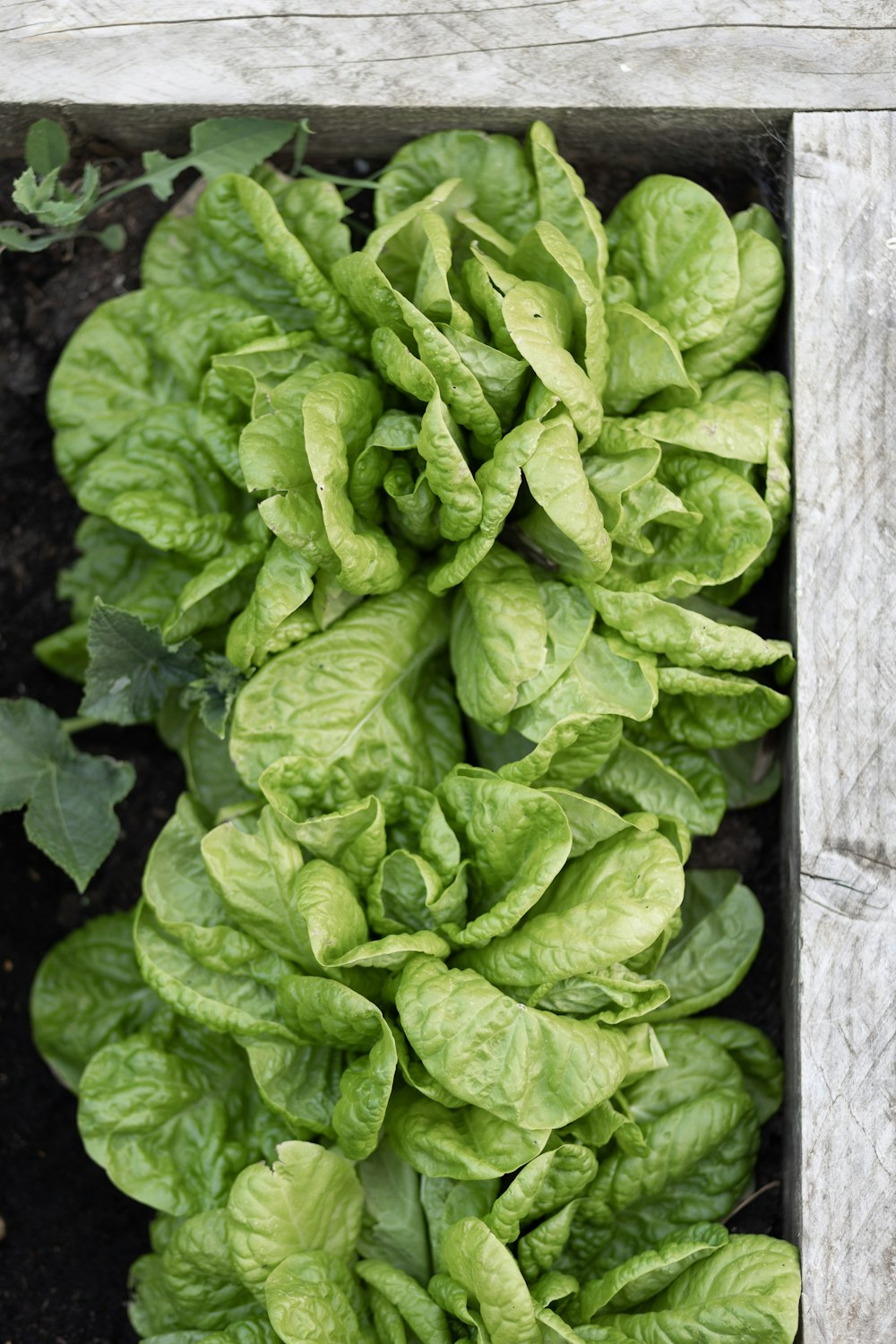
Salad & leafy greens
Lettuce, spinach, red amaranth and kangkong grow fast and can be picked leaf by leaf for weeks.
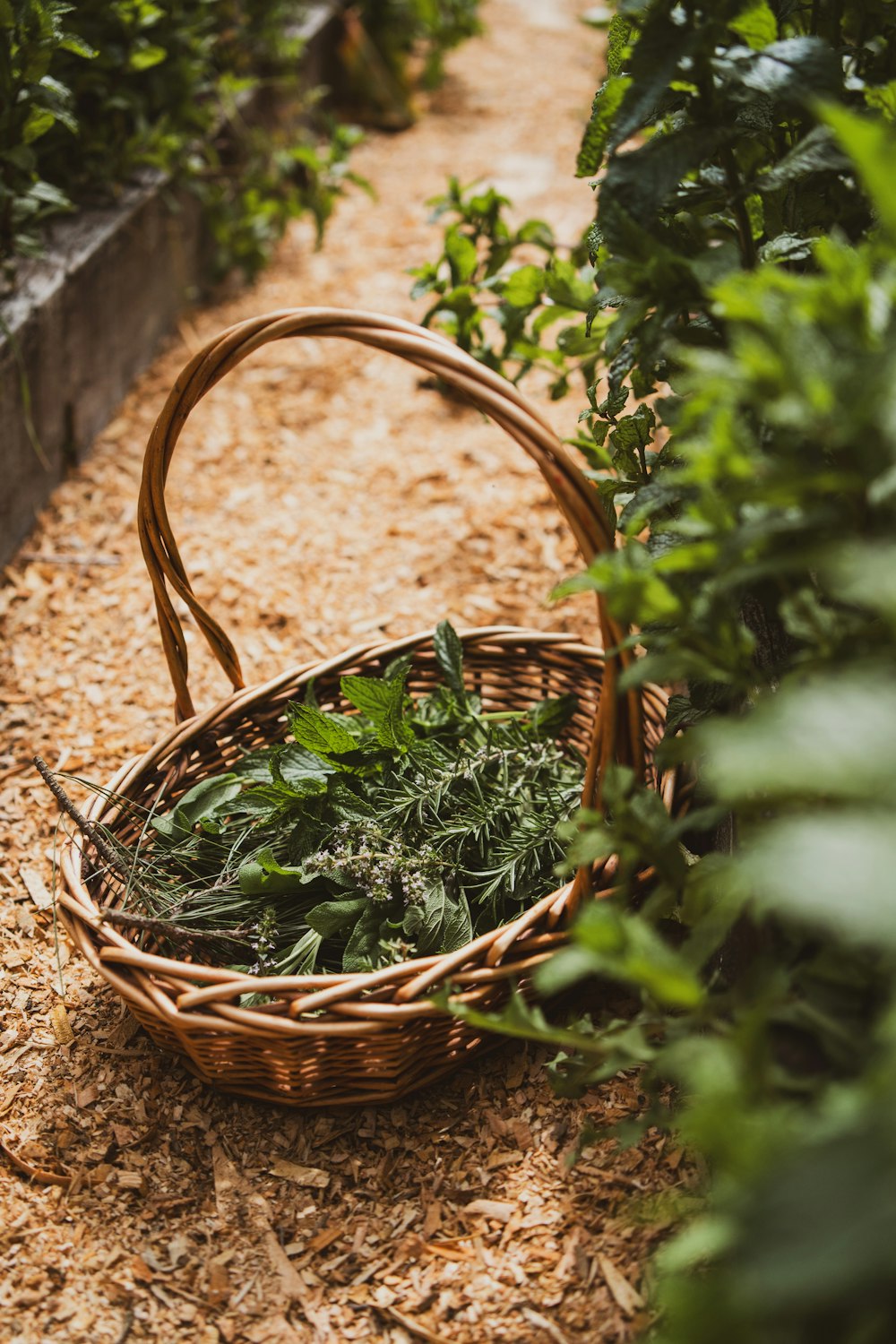
Herbs
Mint, basil, coriander, lemongrass and curry leaf — placed close to the stairs for quick picking.
Fruiting crops
Tomatoes, eggplant, okra and beans in deeper beds with supports, staked early and fed regularly.
Bed systems
Five ways to hold soil on a roof
We pick the system for each spot based on weight, depth needed and how often you will reach it.
01
Raised timber or composite beds
Our standard for families. 25–40 cm deep, lined, set on legs or drainage mat so water flows freely beneath.
02
Fabric grow bags
Lightweight and breathable, with excellent drainage. Ideal for tomatoes, chilies and root crops, and easy to move between seasons.
03
Food-safe containers on stands
Large tubs and planters raised off the slab for dwarf fruit trees, ginger, turmeric and deep-rooted plants.
04
Trellis & climbing frames
Steel or bamboo frames for gourds, beans and cucumbers — they turn vertical space into extra harvest and cast welcome shade.
05
Self-watering planters
Reservoir planters for balconies and hard-to-reach corners where daily watering is inconvenient.
Expectations
What a family garden can realistically give you
Yield depends on sun, season and care, so we prefer to talk honestly about what to expect. A well-run garden of six to eight beds commonly supplies most of a household’s leafy greens and herbs, a regular share of tomatoes, chilies and gourds in season, and an endless supply of mint.
Productivity grows with experience. In the first season we focus on reliable crops; in later seasons we introduce more demanding plants once you know the rhythm of your roof.
Leafy greens and herbs grow well in 20–25 cm of good mix. Tomatoes, eggplant and gourds prefer 30–40 cm. Dwarf fruit trees need large containers of 60 litres or more.
We prefer prevention: healthy soil, good spacing, companion planting, neem-based sprays and hand removal. If a stronger treatment is ever needed, we discuss it with you first.