
About Roof Nestly
Roof Nestly is a small, hands-on team of garden designers, builders and growers. We started with one question — why are so many sunny roofs left empty? — and have spent our time since answering it, one roof at a time.
Our story
Rooftop gardens have a reputation problem. Many people have tried a few pots on the roof, watched the plants scorch in the afternoon sun, noticed a damp patch on the ceiling below and given up. We understand why. A roof is a harsh, exposed place, and a garden built without thinking about structure, drainage and water will struggle.
Roof Nestly exists to change that. We treat every roof garden as a small construction project first and a planting project second. That means checking load capacity and waterproofing, planning where water goes when it rains, choosing light growing media, and installing irrigation that does not depend on someone remembering to water at noon.
Once the foundations are right, the fun part begins. We plan beds around how your household cooks and eats, choose crops for the light each corner receives, and stagger plantings so the garden produces steadily instead of all at once. Then we stay involved through care plans, seasonal replanting and honest advice whenever something goes wrong.
Our work today covers vegetable gardens for families, container gardens for terraces and balconies, planted green roofs designed to cool buildings, and long-term care for gardens we have built and some we have not. The approach is the same in every case: build it to last, keep it simple to look after, and make it genuinely useful.
What we believe
01
We never start planting until we understand the slab, the waterproofing and the drainage. A healthy garden on a damaged roof is not a success.
02
Lightweight soil mixes, raised stands and modular beds keep loads low and make future changes or repairs easy.
03
We plant what you will actually cook and enjoy, in quantities that suit your household, with harvests spread across the season.
04
Clear drawings, itemised quotations and honest advice — including telling you when a roof is not ready for a garden yet.

On site
A roof is part of your home, and we behave accordingly. Materials are carried up carefully, stairs and doorways are protected, and we keep the work area tidy at the end of each day. Water tanks, pipes, solar panels and drying areas are worked around, not over.
Before anything is placed, the crew confirms drain positions and slopes so water can always escape. Beds are levelled, protection layers laid and irrigation tested before the first plant goes in.
The people behind it
You deal with the same small group from the first visit onward, so nothing gets lost between the design, the build and the care that follows.
Plan layouts, crop calendars and planting schemes around your sun, space and cooking habits.
Review slab condition, loads and drainage, and bring in a qualified structural engineer when a roof needs one.
Build beds, stands, trellises and drip systems, and lay protection, drainage and filter layers.
Visit on your chosen plan to feed, prune, treat pests, replant and help with harvests.
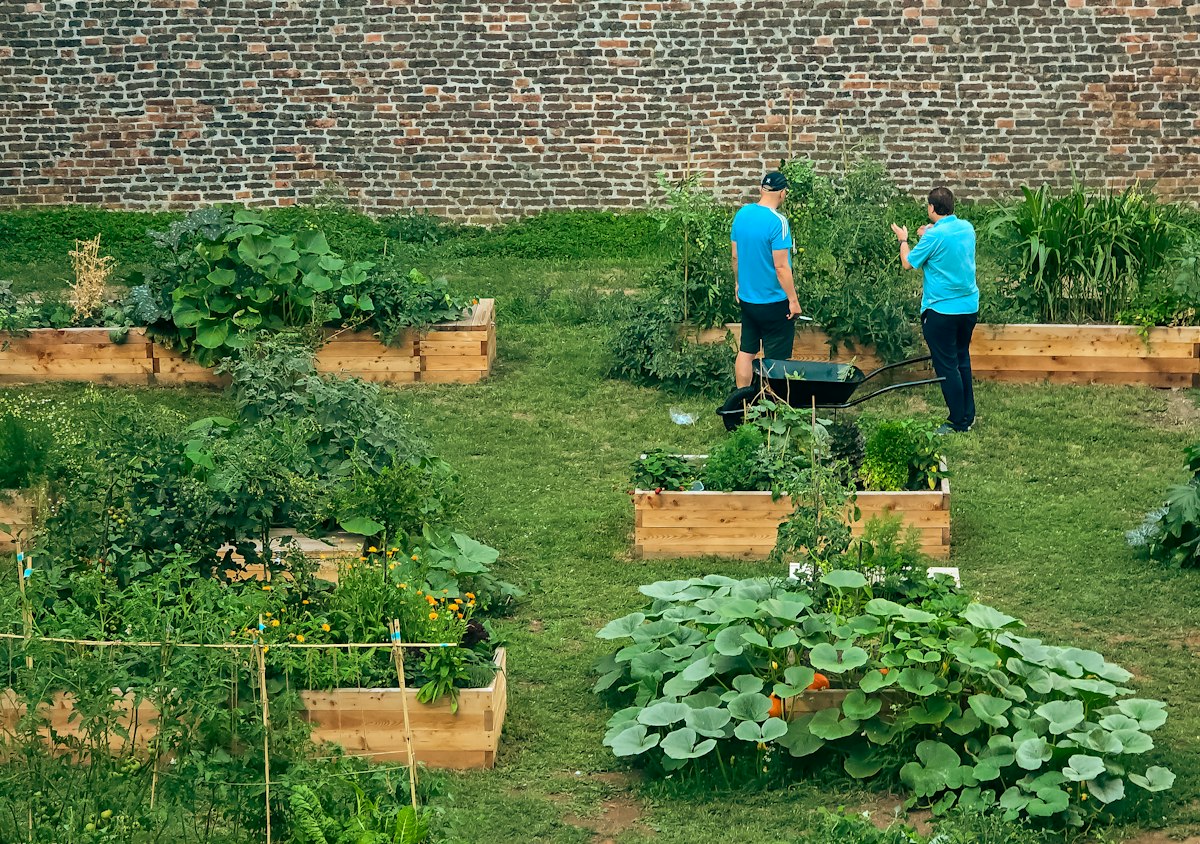
Our commitments
These are the standards we hold ourselves to on every project, large or small.
You receive a layout drawing, a materials list and a fixed quotation for the agreed scope. If something changes on site, we explain why and agree it with you before continuing.
We do not drill into waterproofing, block drains or overload slabs. If we find an existing leak or crack during the survey, we tell you and recommend fixing it first.
We recommend crops that will thrive in your light and wind, not just those that look good on day one. Where a corner is too harsh, we suggest shade net or hardier plants.
Every new garden includes a follow-up visit to check growth, adjust irrigation and answer questions. After that, care plans are available but never compulsory.
We use food-safe containers, treated or recycled timber where suitable, UV-stable fabrics and compost-rich, peat-light growing mixes.
Why it matters
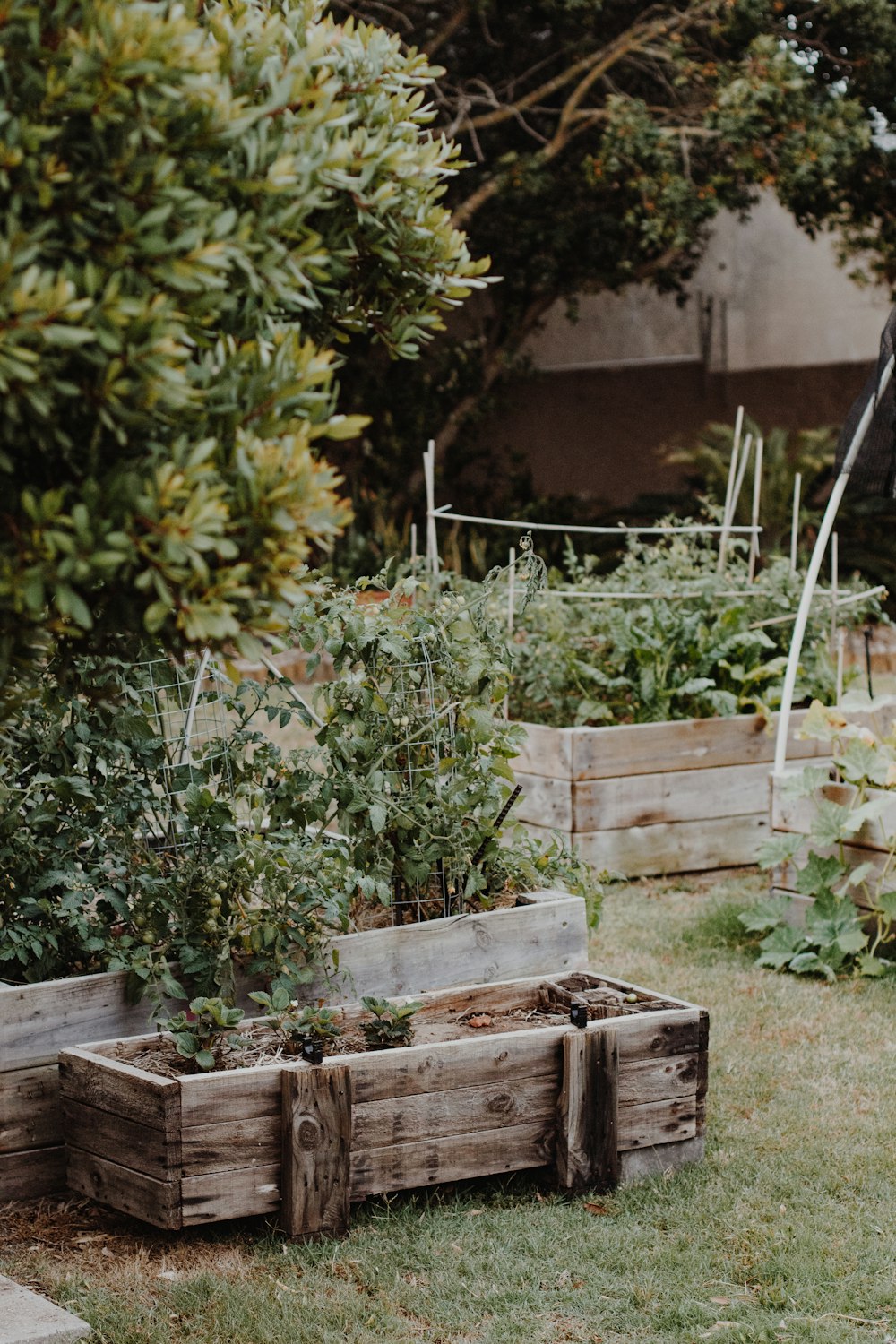
Each planted roof is modest on its own. Together they shade buildings, give birds and pollinators somewhere to land, keep a little rainwater out of overloaded drains and put fresh food on more tables. That is a future worth building one roof at a time.
Free roof survey
We would be glad to take a look. Surveys are free, and you will leave with a clear idea of what your roof can grow.